Waste Transfer Stations
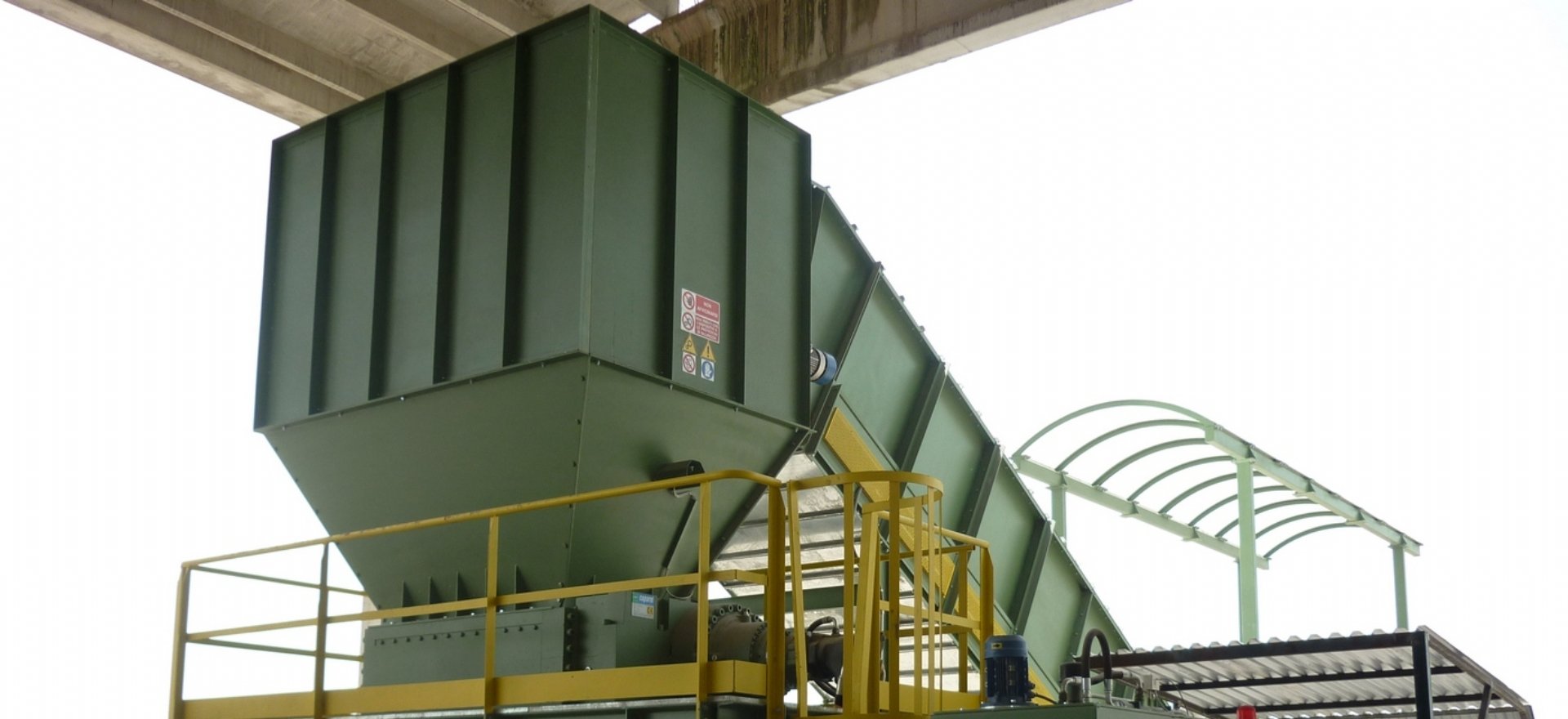
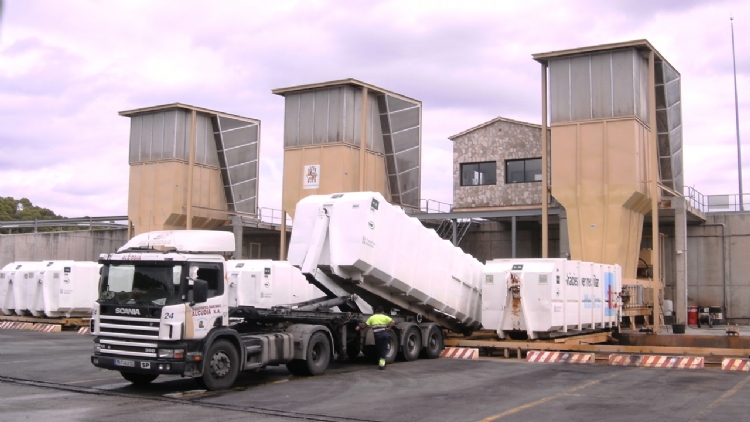
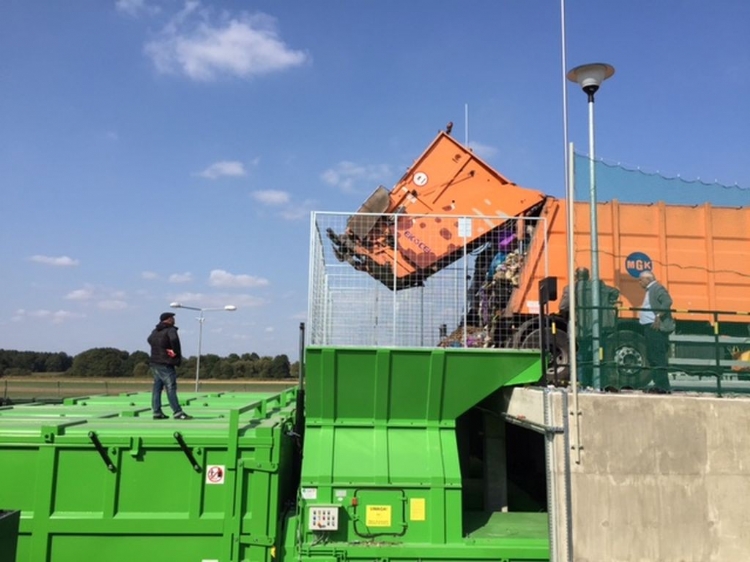
Waste Transfer Stations provide an efficient solution for transporting large volumes of municipal and solid waste over long distances to disposal sites, recycling facilities or other waste processing plants. When conventional waste collection vehicles are required to travel long distances, transfer stations help consolidate waste into higher-capacity transport vehicles and improve overall waste logistics.
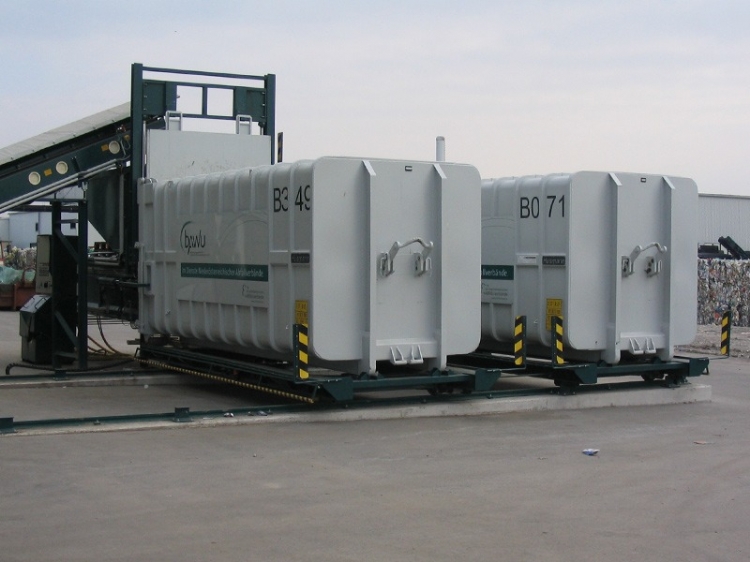
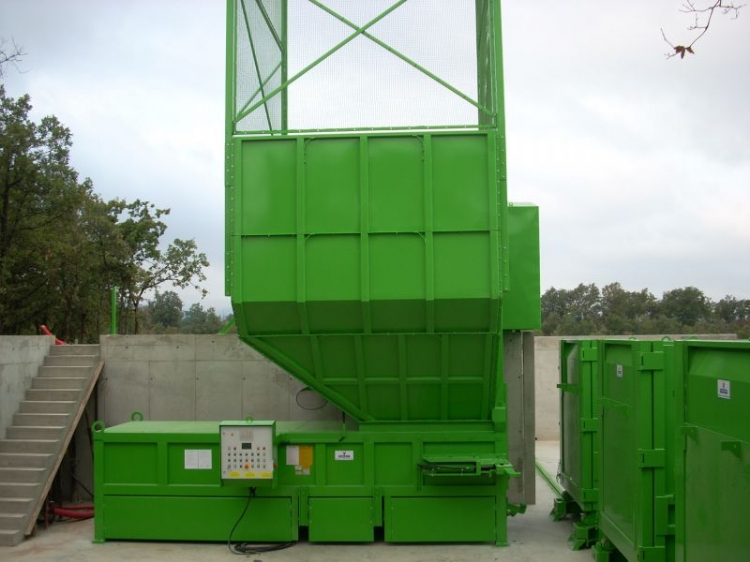
Depending on project requirements, a waste transfer station can include high-capacity compactors, loading hoppers, container handling systems and waste transport containers. Optional weighing systems can be used to determine the net weight of transferred waste, while additional equipment such as hydraulic coupling systems, sliding plates, light barriers and warning systems can support safer and more controlled operations.
Waste transfer stations can be configured according to site conditions, waste volume, transport distance and operational requirements. Robust construction and wear-resistant materials help provide reliable performance under intensive and continuous waste management operations.
Why are Waste Transfer Stations used?
Waste transfer stations consolidate waste collected by smaller vehicles into higher-capacity transport systems, helping make long-distance transportation to disposal, recycling or processing facilities more efficient.
Can Waste Transfer Stations be customized for different projects?
Yes. Transfer station capacity, compaction equipment, container systems, safety equipment and operational layout can be adapted according to project requirements and site conditions.
Product Images